

With any new innovation in aesthetics, it’s natural for questions—and sometimes concerns—to follow.
Recently, there’s been more conversation around the safety of PDGF (Platelet-Derived Growth Factor) when used topically with treatments like microneedling and RF microneedling.
So let’s talk about it—clearly, honestly, and backed by science.
First: PDGF Isn’t New
One of the most important things to understand is this:
PDGF has been used in medicine for decades.
In fact, a recombinant form of PDGF (becaplermin) was FDA approved in 1997 for topical use in wound healing.
Since then, it has been:
-
Studied for over 30 years
-
Used in multiple medical applications
-
Supported by hundreds of published studies
This isn’t a new or experimental molecule—it’s one of the most well-researched growth factors in regenerative medicine.
Extensive Safety Data Over Decades
PDGF has a long track record of safety and clinical use, including:
-
Randomized controlled trials demonstrating effectiveness in tissue regeneration
-
Evidence showing it is non-mutagenic and non-carcinogenic with minimal systemic absorption
-
Ongoing clinical use in wound healing with consistent safety outcomes
Additionally, over time, regulatory updates have refined and clarified safety guidance, reflecting continued monitoring and real-world data.
Understanding the “Safety Concerns”
Some of the recent concerns you may have seen online often stem from misunderstandings about how PDGF should (and should not) be used.
Here’s the key distinction:
✅ PDGF is approved for topical use after microneedling or other aesthetic procedures.
❌ It is not currently approved for injection in aesthetic settings (though this will be approved in the next 2 years)
The FDA has clearly stated that certain PDGF products are approved for topical application only, and using them outside of that (such as injecting) is not aligned with approved use.
What About PDGF with Microneedling & RF Microneedling?
This is where clarity really matters.
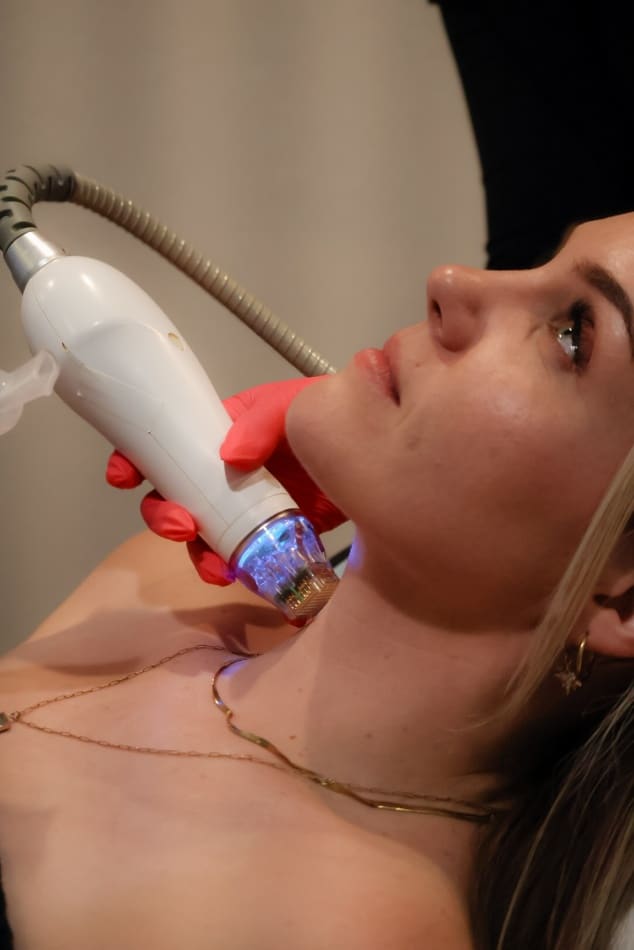
Microneedling and RF microneedling:
-
Create temporary microchannels in the skin
-
Are designed to enhance topical absorption
When PDGF is applied topically after these treatments, it:
-
Remains within its intended topical use pathway
-
Supports the skin’s natural healing response
-
Works with the body’s existing regenerative mechanisms by dramatically increasing the amount of collagen produced (up to 2000%) and the amount of hyaluronic acid produced (up to 800%)
In fact, clinical research has evaluated this exact combination.
A prospective, randomized controlled study showed that topical PDGF used after RF microneedling:
-
Improved outcomes
-
Increased patient satisfaction
-
Demonstrated a favorable safety profile
Purity and Controlled Formulation Matter
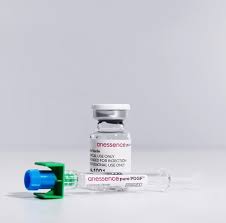
Modern PDGF formulations used in aesthetics (like Ariessence) are:
-
Lab-engineered for purity, potency and consistency
-
Produced using FDA-compliant manufacturing processes
-
Designed specifically for topical, post-procedure use
This ensures:
✔️ No variability (unlike PRP)
✔️ Controlled dosing
✔️ High-quality, sterile application
The Big Picture: Pure, Proven, and Potent Use
When used correctly—topically and in conjunction with procedures like microneedling—PDGF aligns with:
-
Decades of clinical research
-
Established FDA-approved pathways (topical application)
-
Evidence-based regenerative medicine principles
The confusion often arises not from the ingredient itself—but from how it is used.
Why Providers Continue to Use PDGF
Experienced providers are incorporating PDGF because it:
-
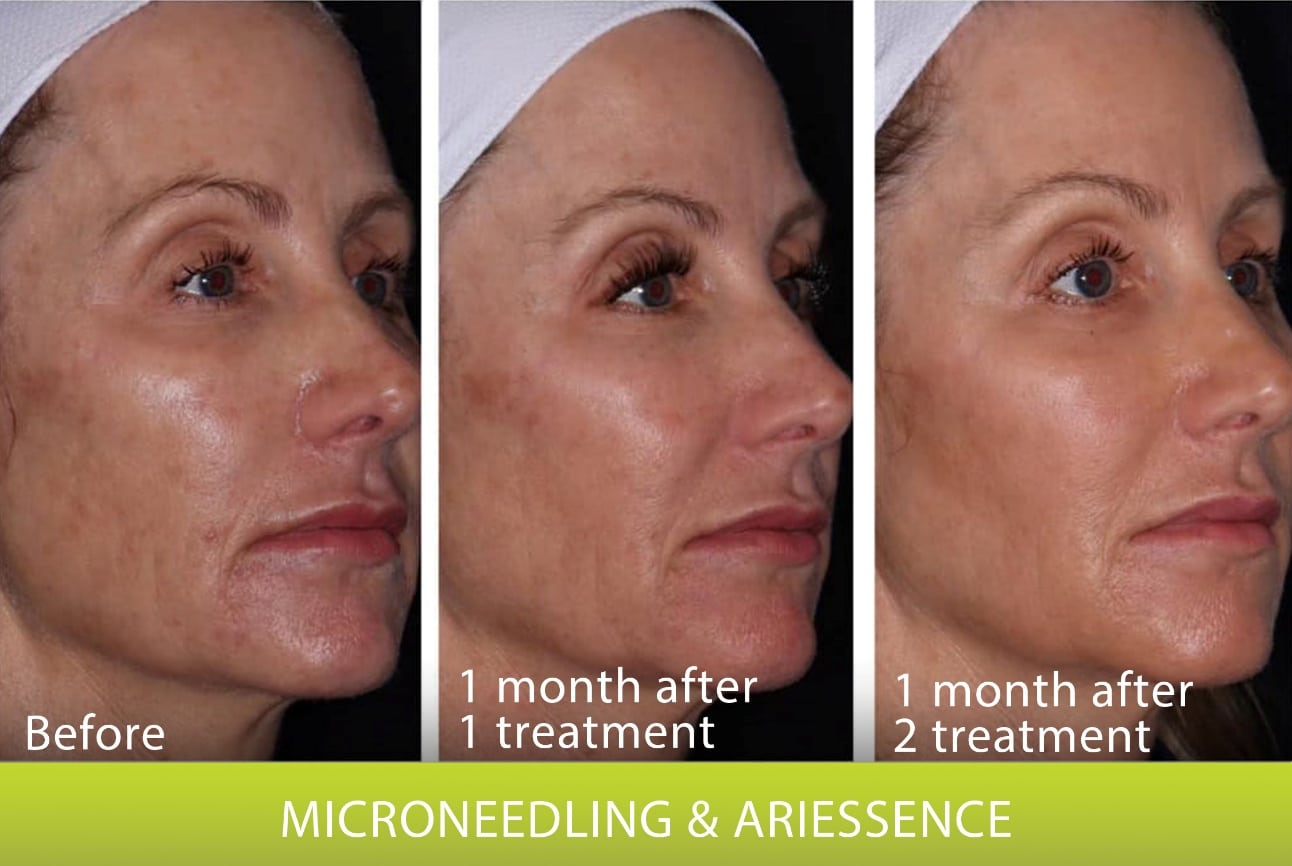
Enhances healing after procedures
-
Supports collagen production
-
Improves overall skin quality
And importantly…
It does this by working with your body’s natural biology, not against it.
The Bottom Line
PDGF is not a new or untested ingredient—it’s a well-studied, FDA-approved growth factor with decades of medical use behind it.
When used:
✔️ Topically
✔️ Appropriately
✔️ With evidence-based treatments like microneedling or RF microneedling
…it has been shown to be both safe and effective.
Have Questions? That’s a Good Thing.
If you’ve seen conflicting information, you’re not alone—and asking questions is exactly what you should be doing.
The best way to know if PDGF is right for you is to talk with a qualified provider who understands:
-
The science
-
The safety
-
The proper application
Because when used correctly, PDGF isn’t something to fear…
It’s something that’s helping redefine the future of regenerative skin treatments.